
How Nature's Broom Might Stop Cancer
“Nature’s Broom.”
Ever heard of it?
Well, I’m sure you’ve heard of it...you’ve probably even eaten it this week.
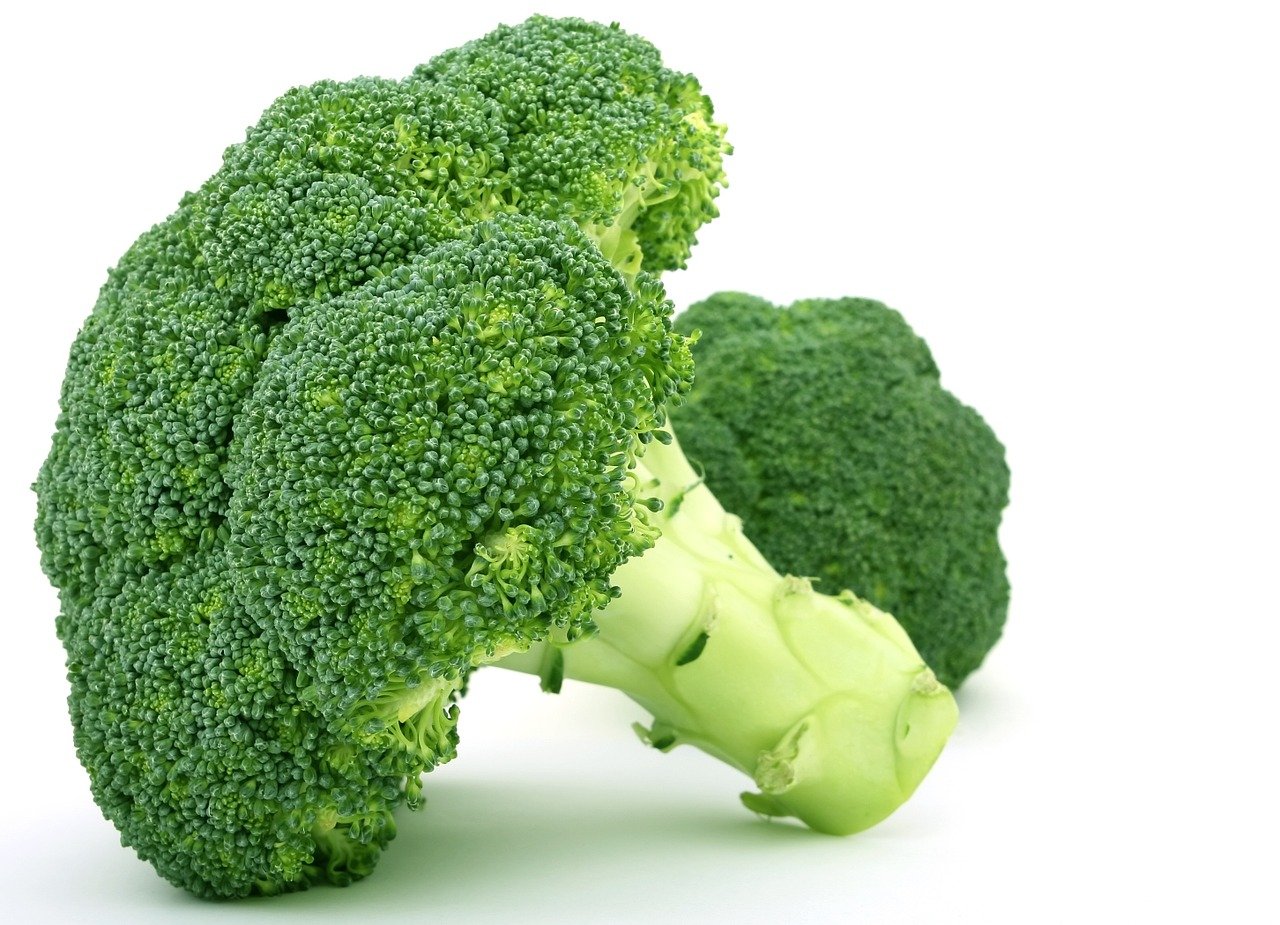
“Nature’s Broom” is broccoli. And the only reason I refer to it that way is because I once heard someone call it that after they ate a healthy portion of this delicious veggie and had to use the bathroom several times after.
As you likely know, foods like broccoli have long been touted as “cancer cures.” People who have no medical background love to claim if you eat a diet full of veggies (like broccoli), you’ll never have to worry about cancer.
Well, I wouldn’t go that far.
However, I am happy to report eating vegetables certainly can help prevent cancer from forming.
At least, that’s what a new study about broccoli indicates.
For a while now, we’ve known certain compounds in cruciferous vegetables (known as sulforaphane) may help prevent cancer or slow its progression.
And, like most studies, we’re great at identifying what might help prevent cancer...but we’re often at a loss as to explain how this might happen.
Thankfully, a study out of Oregon State University might actually explain the mechanism behind sulforaphane’s cancer-stopping power.
Researchers noted when sulforaphane was present in the body, it prevented the expression of long noncoding RNAs (IncRNAs) in prostate cancer cells. This disruption kept the cells from forming colonies later on, which could have led to future metastatic cancer.
The interesting thing about this observation has to do with IncRNAs. For a long time, we’ve been more or less clueless about the function of IncRNAs in the body.
However, after a slew of studies, we’ve realized these might actually be the devices behind the formation of a host of common cancers.
Now don’t be confused into thinking IncRNA’s sole purpose is making cancer.
As we’ve learned more about IncRNAs and how they promote cancer formation, we’ve also learned more about their function in the body.
As of now, our best guess is IncRNAs regulate how genes express themselves - not their emotions, but how they get “switched on or off in order to do their jobs.”
If lncRNAs become dysregulated, disease might result later on.
However, the good news is it appears broccoli might keep IncRNAs from descending into a state of dysregulation and possibly forming cancer.
Now if only broccoli could keep my toddler from descending into a state of emotional dysregulation!
So how did the researchers figure out broccoli might help prevent IncRNAs from running wild?
To reach their findings, the researchers conducted whole-genome sequencing on normal human epithelial prostate cells and prostate cancer cells.
They found that the prostate cancer cells showed high expression of lncRNAs, particularly one called LINC01116.
However, when the team administered sulforaphane to the prostate cancer cells, LINC01116 levels were reduced, leading to a fourfold reduction in the cells' ability to form colonies.
From these findings, the team reasoned eating broccoli (which is high in sulforaphane) might help influence IncRNAs in a positive way.
Here’s an interesting quote from the lead author of the study:
Lead study author Laura Beaver, of the Linus Pauling Institute and College of Public Health and Human Sciences at OSU, says that their results may not only have implications for cancer prevention, but for cancer treatment.
"It would be of significant value if we could develop methods to greatly slow the progress of cancer, [and] help keep it from becoming invasive," she notes.
And, at the end of the day, even if broccoli doesn’t stop/prevent cancer...at least it keeps you regular. That counts for something, right?
Talk soon,
Dr. Wiggy
www.HealthAsItOughtToBe.com
Related Posts

Is RFK Right To Correct This Government Guideline?
Any time I write about the government, or about government officials, I’m bound to ruffle a few feathers.So, chances are, if you read this, you’re going to be one of those people who think I need to stay in my lane.
That’s not really wha...
Read More
Another Good Reason to Tame Sugary Drink Consumption
Sugary drinks are everywhere. There doesn’t seem to be any decline in their popularity, either. Yes, there are more low-calorie options than ever, but sales for sugary drinks are on the rise.
The problem is that people who drink sugary ...
Read More
Can Viral “Tingling Videos” Actually Help With Stress and Sleep?
If you’ve never been on YouTube…Instagram, or TikTok and seen an ASMR video collection, you’re probably not unique…but you might also not be “hip.”What I mean is, tons of viral videos out there have millions and millions of views, and mi...
Read More